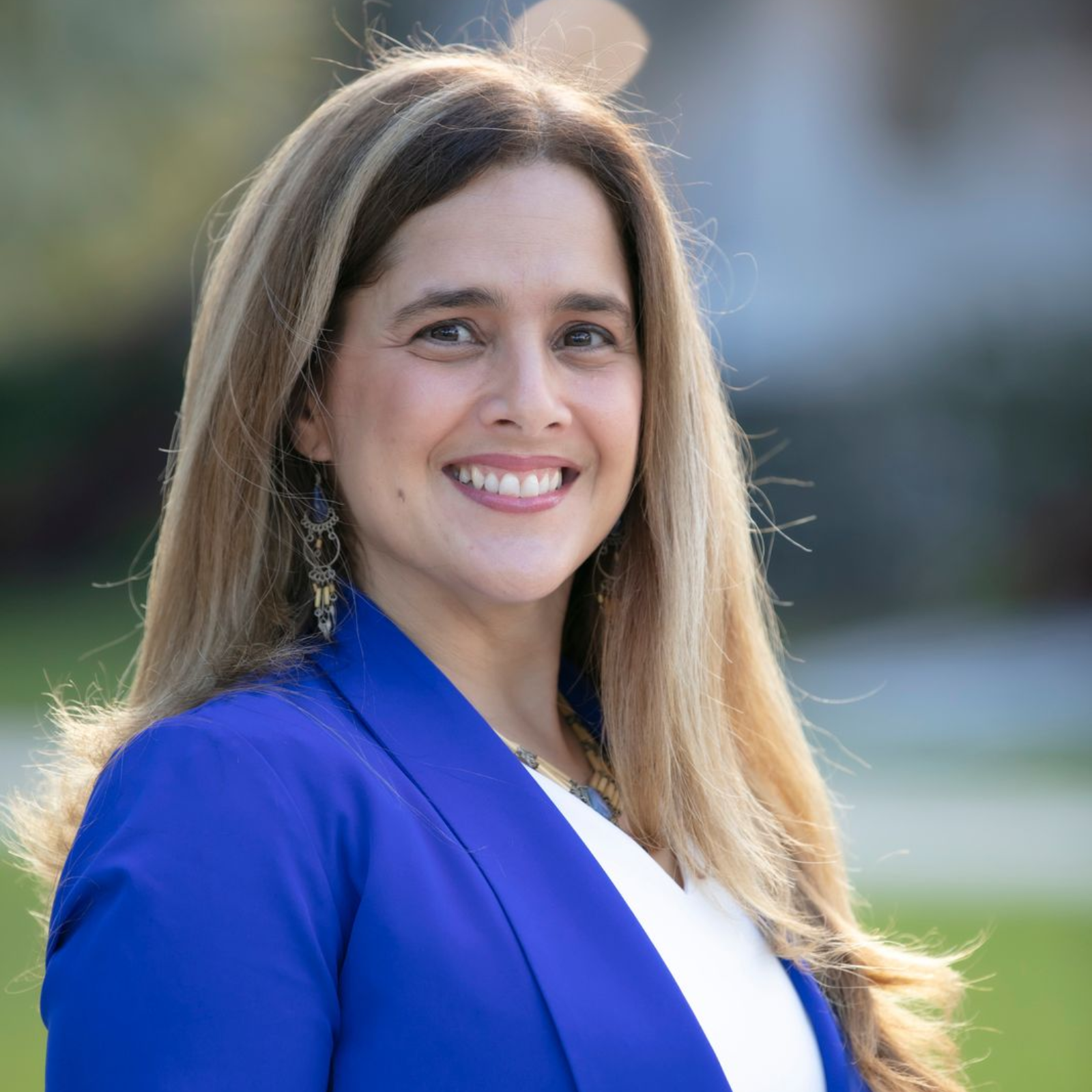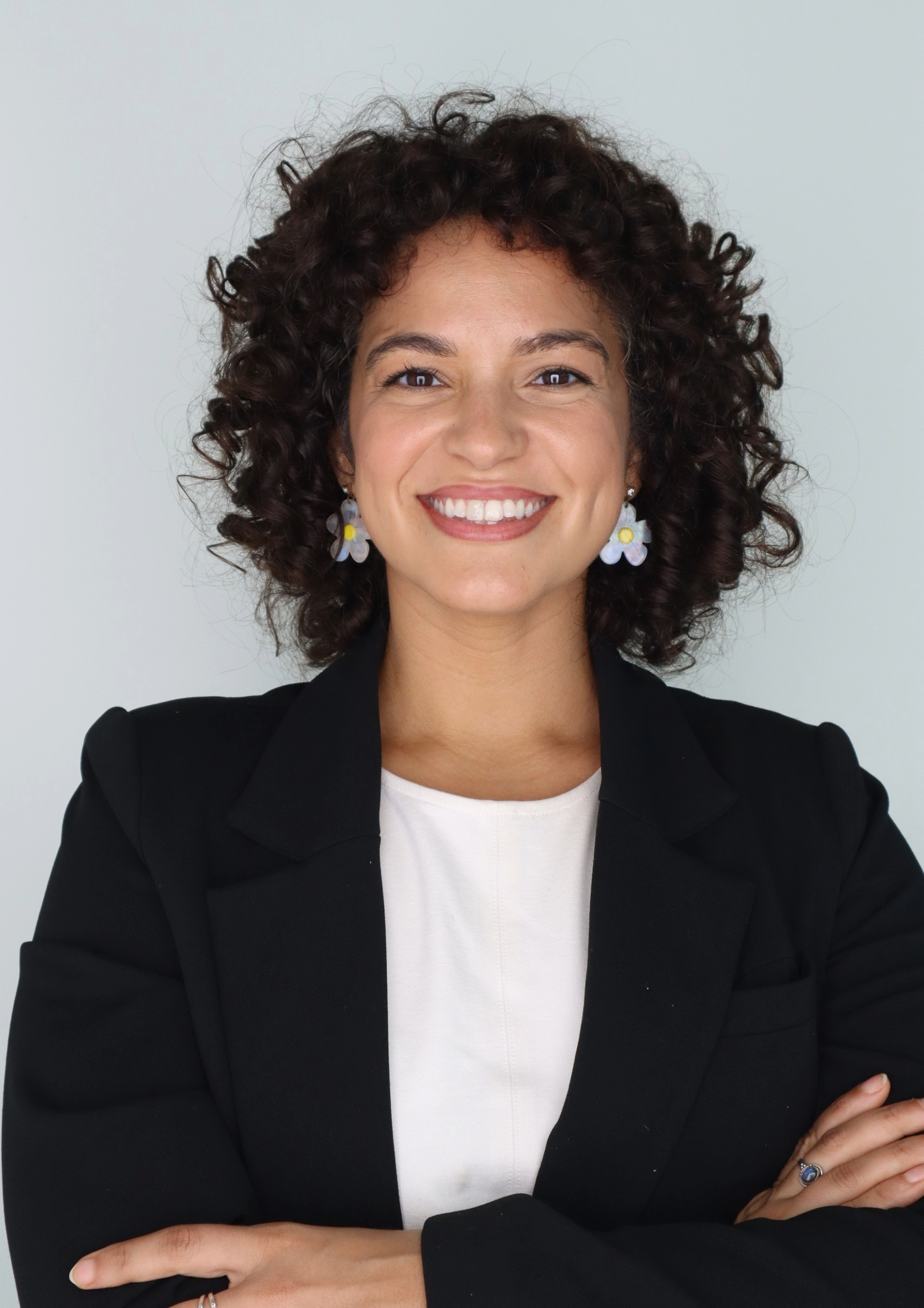
As Florida Atlantic University student Kawtar Elbekhty dove into her first social work textbook, she had an epiphany. “This is how I view the world,” she thought.
The book described how to look at a person holistically — from the environment they grow up in to all the things that “make a person a person,” as she puts it. She knew then that a social work career would be a reflection of her core belief: healing is possible when people feel safe, supported, and seen.
It was a worldview she came by early. "Advocacy is woven into my very being," Elbekhty wrote in her scholarship application.
"My brother is profoundly Deaf, and I have witnessed firsthand the toll that systemic gaps and discrimination have taken on his mental health. Watching him navigate between two worlds, the Deaf community and the hearing, has shown me just how critical it is to fight for inclusive, accessible systems."
Then she ran into a barrier of her own. As a young single mother working full time, pursuing a Master of Social Work as a first-generation student seemed impossible.
“I was drowning and wasn’t sure if I should have been adding to my financial situation because it’s so incredibly difficult to survive,” she said.