Train the Brain: Filling the Prescription

October 19, 2026

Connected Along the Brain Coast

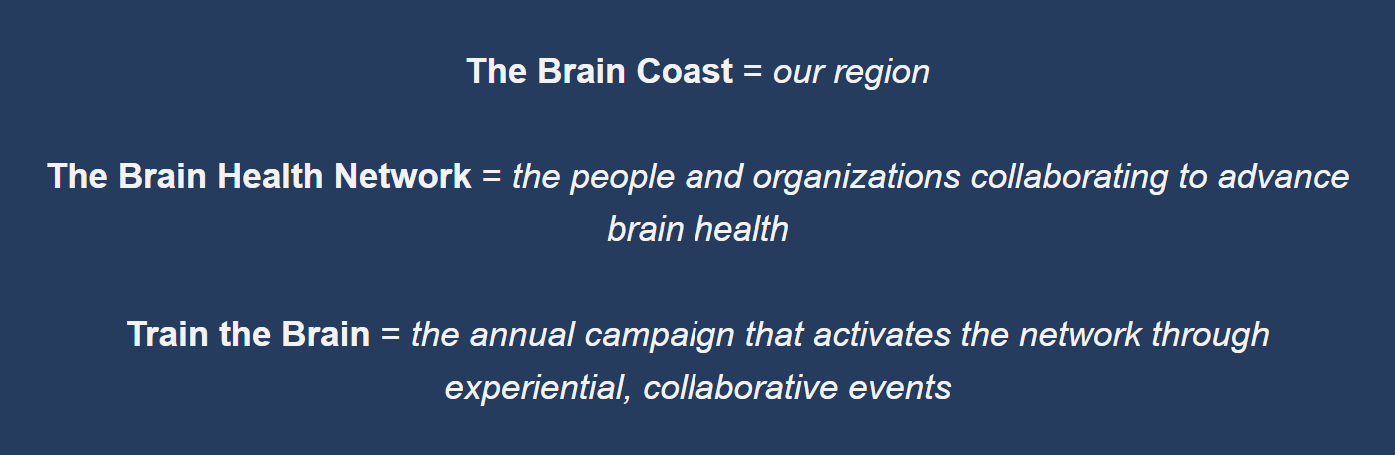
We’re all part of a local Brain Health Network – whether you’re a resident, researcher, clinician or community advocate.


During October's
Train the Brain campaign, Palm Health Foundation highlights local innovators within the Brain Health Network demonstrating the power of cross-sector collaboration and contributing to the Brain Coast's growing national and global recognition for advancing brain health across the lifespan – from early childhood to healthy aging.


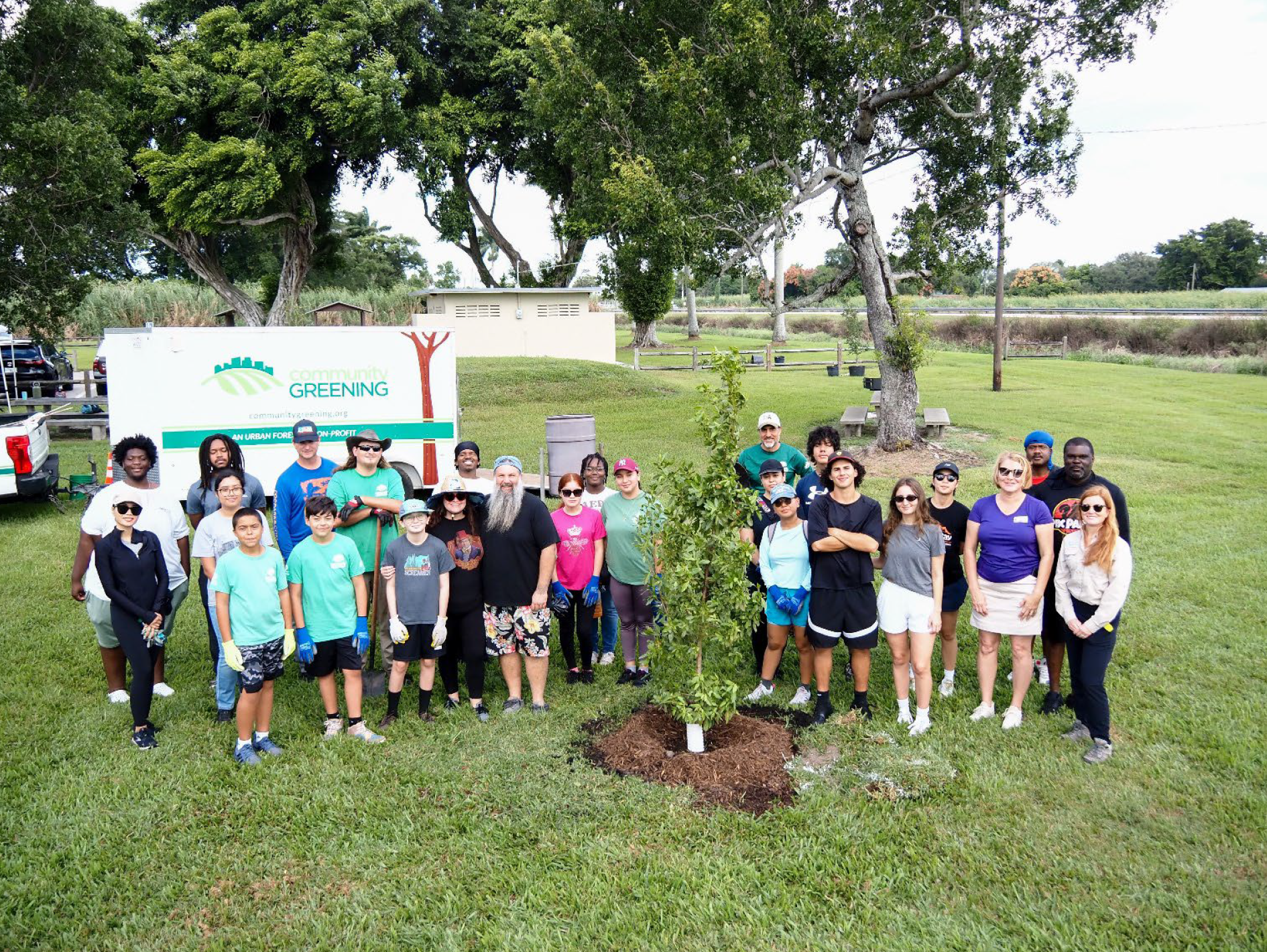
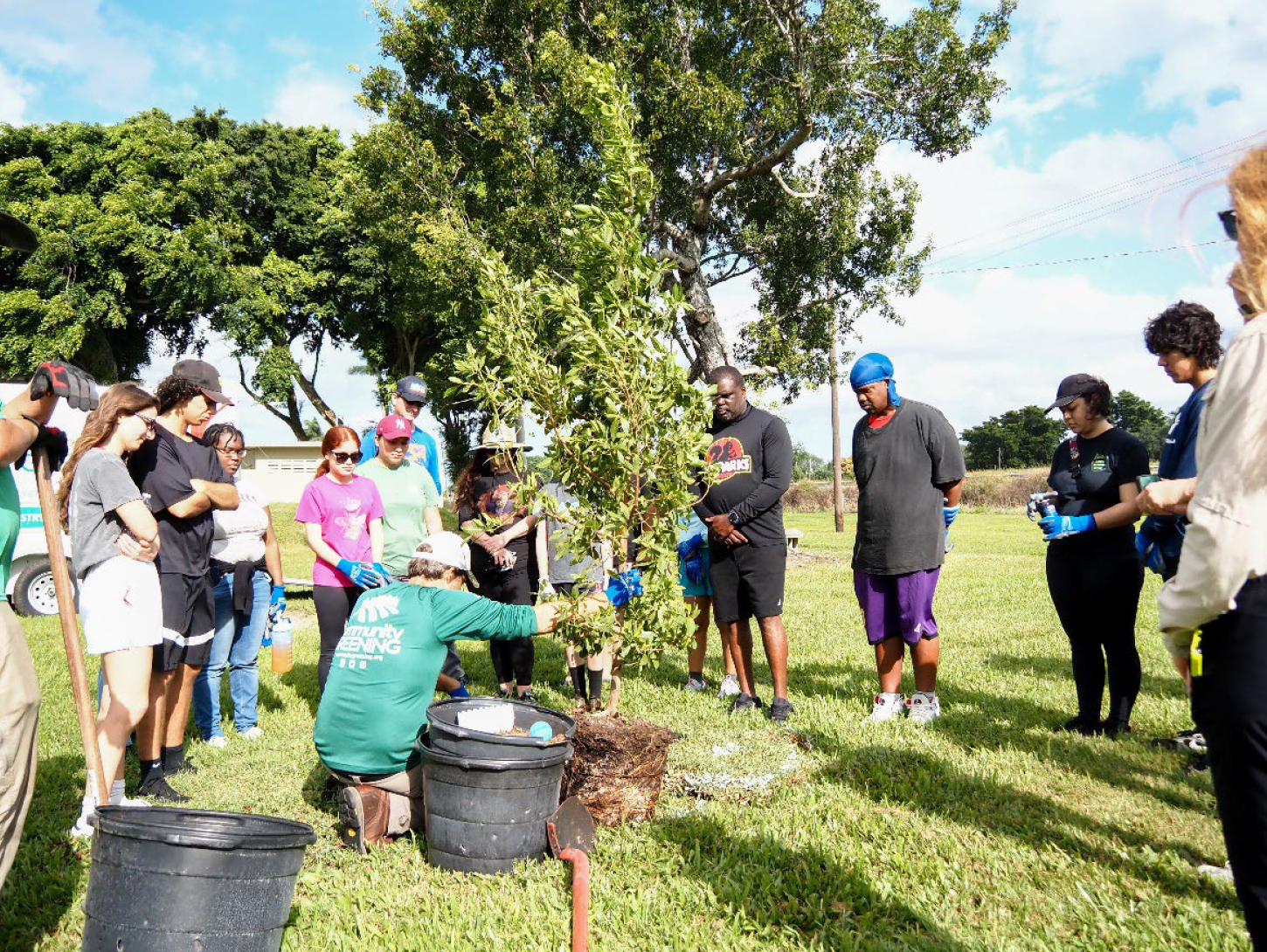
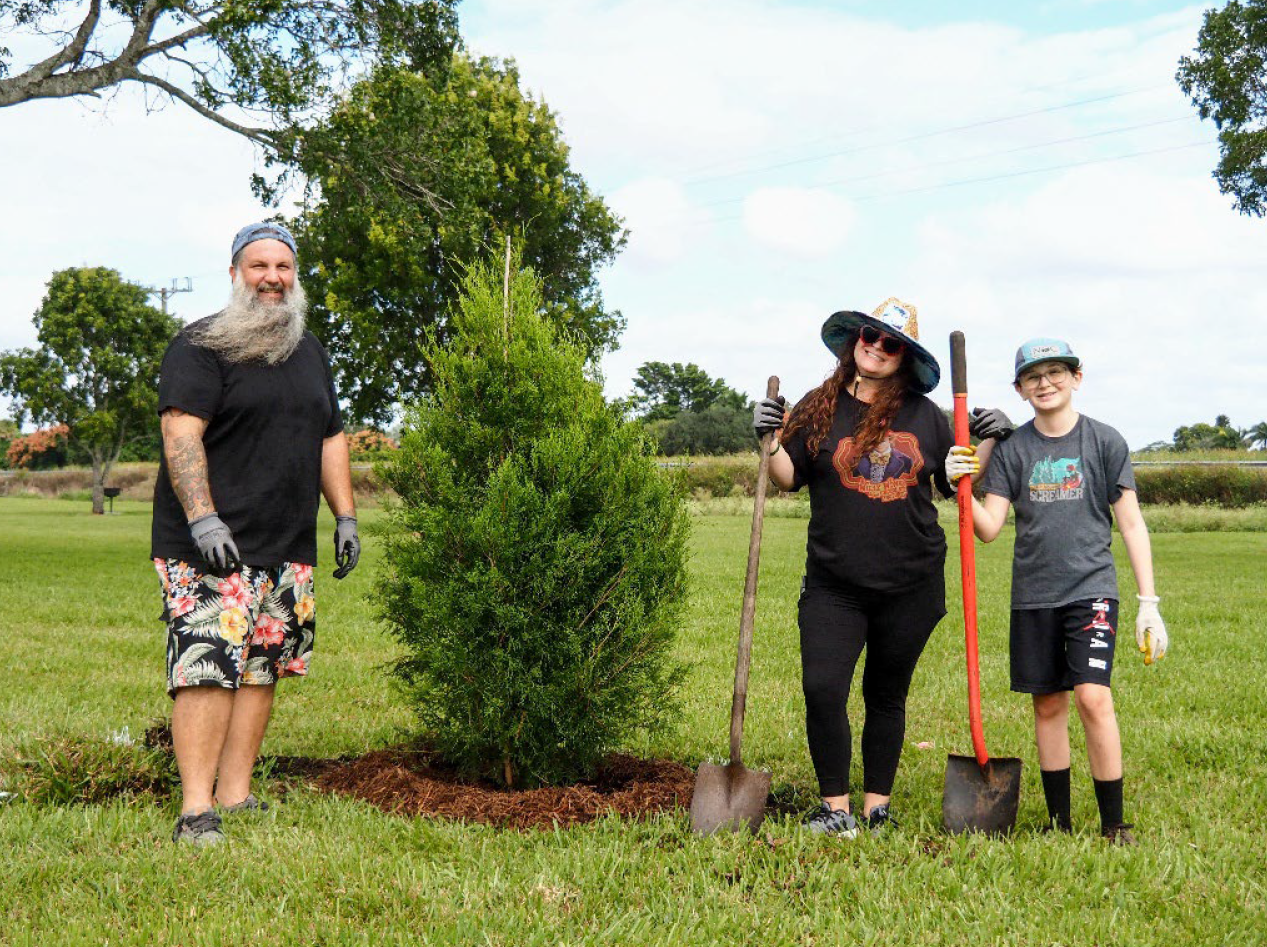
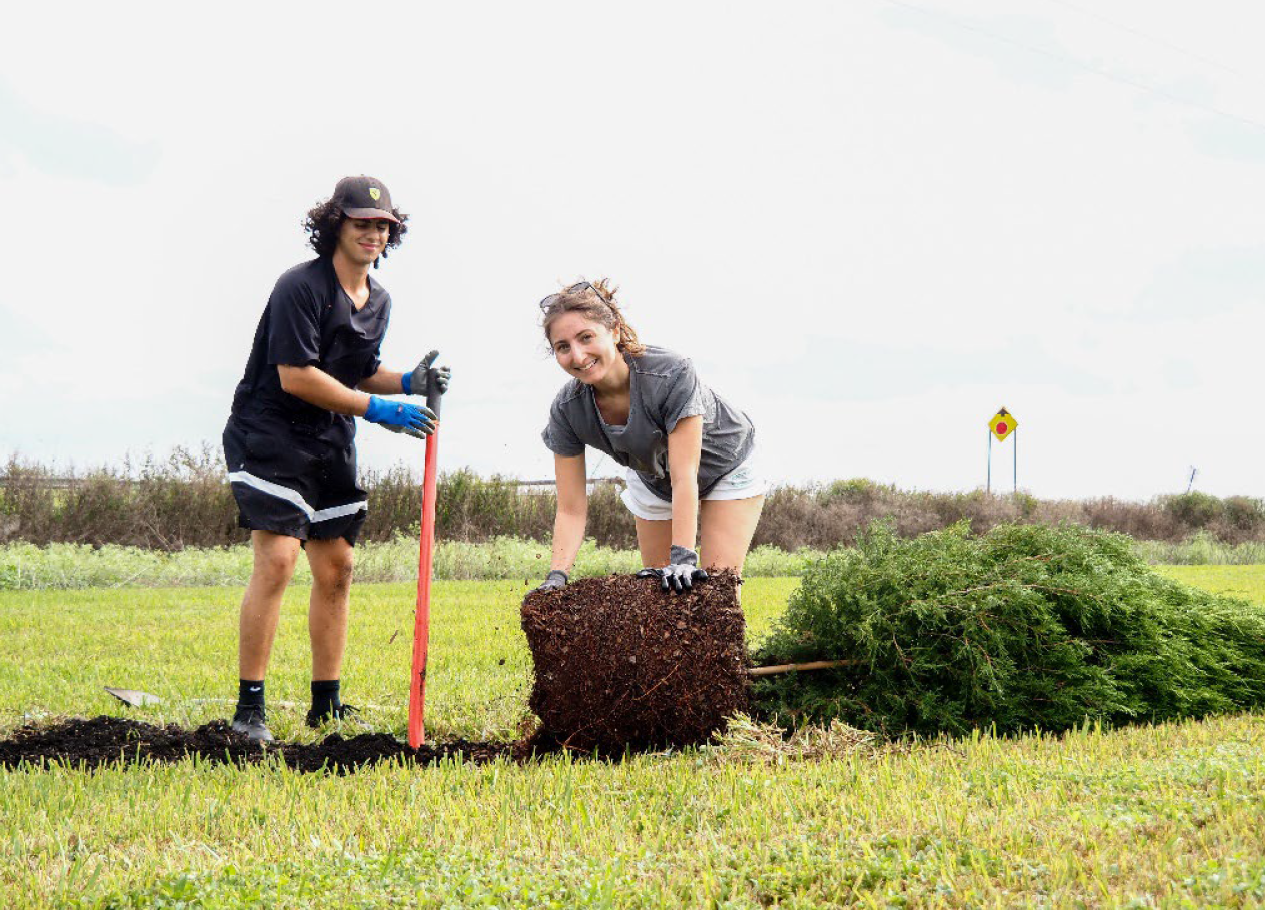
Community Greening has planted more than 30,000 trees in South Florida. Some of the volunteers were sent by their therapists.

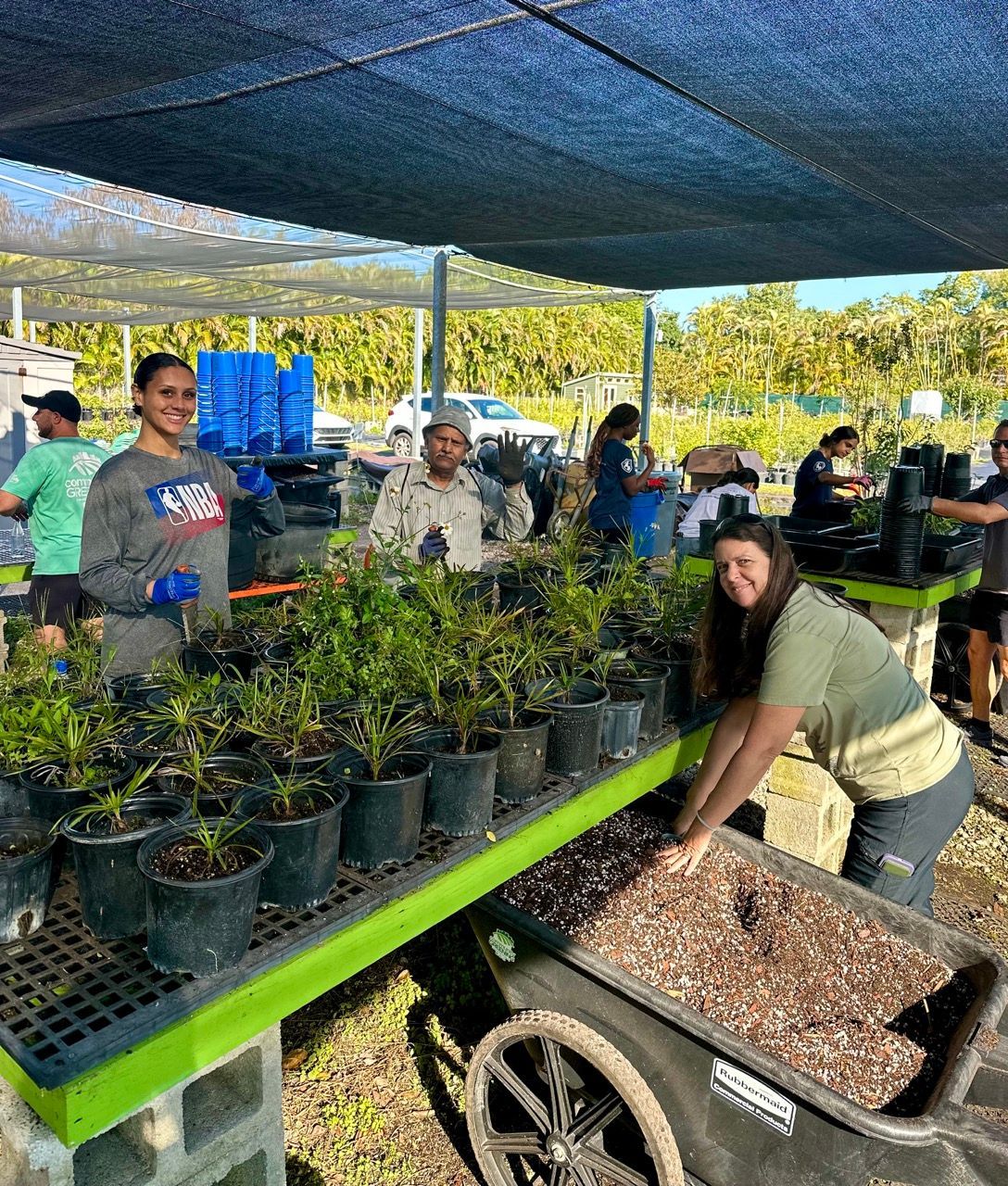
“My therapist is prescribing this,” a volunteer recently told Mark Cassini while nurturing saplings at Community Greening’s tree nursery.

For Cassini, the nonprofit’s co-founder and executive director, those nursery visits are where individual mental health meets community-wide impact. Every tree planted by hand in the nursery eventually grows into the tree canopy that transforms South Florida’s streets, parks, and backyards, directly influencing wellness.

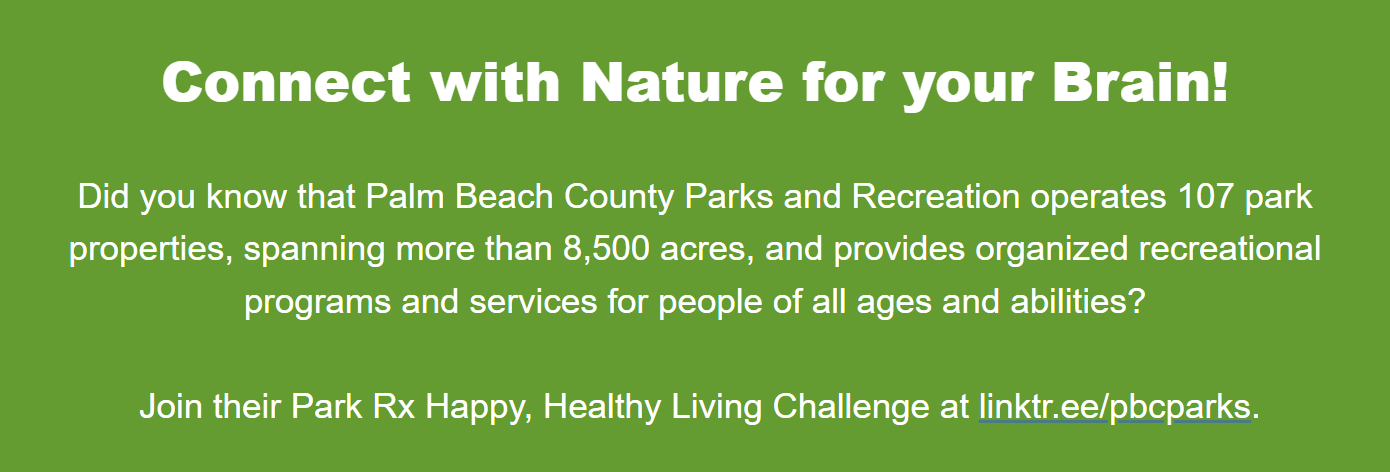
“It's making that public health connection to trees and getting more people to go walking, biking, or simply getting outside,” Cassini said.

That experience is backed by hard science. Spending at least 120 minutes a week in green spaces improves mood, lowers stress, and supports long-term cognitive function.

And
living in a neighborhood with at least 30% tree canopy cover is linked to a 16% lower risk of psychological distress.

Yet finding tree shade is nearly impossible in some areas. While most South Florida cities average between 14% and 25% canopy cover, the Glades communities of South Bay and Clewiston sit at just 5% and 11%—the lowest in the region.

To address this stark disparity, Community Greening launched its Glades Project with support from Palm Health Foundation, answering resident calls for shade and backyard fruit trees. It’s part of a broader regional movement: since 2016, the organization has mobilized thousands of volunteers to plant over 30,000 trees across South Florida.


Lilah Besser, PhD, an Associate Professor of Neurology at the University of Miami Miller School of Medicine, uses brain imaging in her research to study how these neighborhood spaces protect brain health over time.


“Those reporting spending more time in green spaces had higher resilience index scores, meaning they are more resilient against future cognitive impairment,” Dr. Besser said. She also points to the short-term benefit, known as the “attention restoration theory,” where brief exposures to natural environments help clear mental fatigue and improve attention.
Both Dr. Besser and Cassini are eager to strengthen connections across the Brain Health Network, bridging environmental design and public health to reach more communities.

“How can we better integrate planners and policymakers with researchers like myself and public health professionals?” Dr. Besser posed.

“I see our piece as always being included in the conversation on humans’ connection to nature and how important that is for your mental health and physical health,” Cassini said. “That's what Community Greening is doing.”

About Train the Brain
October 19, 2026
Connected Along the Brain Coast
October 19, 2026
Connected Along the Brain Coast We’re all part of a local Brain Health Network – whether you’re a resident, researcher, clinician or community advocate. During October's Train the Brain campaign , Palm Health Foundation highlights local innovators within the Brain Health Network demonstrating the power of cross-sector collaboration and contributing to the Brain Coast's growing national and global recognition for advancing brain health across the lifespan – from early childhood to healthy aging.
October 13, 2026
Reception unites nursing, mental health, and behavioral health students with the donors and fundholders investing in their education 
September 26, 2026
Dr. Roger L. Duncan III and Elisa Cramer join board of trustees; Dr. Paul Rashid appointed to Community Investment Committee
September 25, 2026
The Mike McNamara Scholarship Fund at Palm Health Foundation became her lifeline.
September 24, 2026
"Connected Along the Brain Coast" campaign brings brain science out of the lab and into Palm Beach County communities this October
August 26, 2026
New initiative activates South Florida's Brain Coast to help close 17-year gap between scientific discovery and impact. 
May 28, 2026
Aspen Institute spotlighted BeWellPBC , a Palm Beach County behavioral health movement supported by Palm Health Foundation, and their Community Connectors , a group of advocates that help improve the health and wellbeing of their neighborhoods by serving as a bridge between residents and private and public health services.  These Community Connectors are deeply trusted and have helped their communities navigate complex health challenges – like when one neighbor didn’t know what to do when her husband was admitted to a nursing home as his dementia worsened.
May 28, 2026
Palm Health Foundation hosted an educational session for the Palm Beach County Health Improvement Plan (CHIP) and Healthcare Council , themed, “Brain Health Across the Lifespan.” This council serves as a countywide collaborative focused on improving health outcomes through shared priorities, cross-sector partnership, and coordinated action. Our brain health-focused session spotlighted how the Brain Coast Vision is translating brain science into practice through workforce development , shared learning , and community partnerships . Session presenters included: Patrick McNamara, LCSW, President and CEO, Palm Health Foundation Bama Lutes Deal, PhD, Palm Beach County NeuroArts Collaborative Deborah Germain, MPH, Comprehensive Center for Brain Health at the University of Miami Miller School of Medicine
May 28, 2026
Last year, Palm Health Foundation supported a cohort from our Culture of Health Network to attend the Help Conference , a regional event focused on health equity through plant-forward initiatives to improve the lives of those living with diet related diseases. Attendees included representatives from American Heart Association , Healthier Boynton Beach , and Healthier Glades .  This opportunity strengthened relationships between local organizations committed to health equity and provided invaluable learning.