An Unexpected Journey
I was immediately intrigued by the description of the Palm Health Foundation/FAU Fellowship. My heart fluttered at “community change makers” and “macro-focused social work.” And at the same time I was intimidated by work with what sounded like a very complex and completely unfamiliar technological tool called SenseMaker. Though I’m no technophobe, I’m an unconventional (aka older) student and started my educational career pre-internet. I don’t consider tech-savvy among my list of strengths. So, I was generally surprised when my FAU advisor and mentor Dr. Joy McClellan reached out to encourage me to apply. Though I resisted, she insisted. I hope that anyone reading this, if nothing else, comes away understanding the value of mentors.
So what exactly did I do at this fellowship? It turns out that the reason the description of the Palm Health Foundation/ FAU Fellow was difficult for me to understand and imagine myself doing is because the work is actually hard to explain. It is complex. No really, the SenseMaker tool and process is rooted in complexity theory. When I was offered the fellowship, the first thing I did was head to Google to attempt to get a handle on what “Complexity Theory” was, especially as
explained by Dave Snowden (note: for the curious at heart, Dave Snowden gives a lovely
Ted Talk explaining complexity through a birthday party metaphor that will likely enlighten your understanding to a much greater degree than my clunky description). Thank you, Google.
I would later be immersed in the “Complexibility Community of Practice” where complexity-focused change makers from across the globe shared research, ideas, articles, thoughts, links to live conversations, and all possible things related to complexity theory. I participated in meetings at odd times to accommodate our SenseMaker collaborators in Australia, as well as learned about community change from amazing organizations in our backyard. In the beginning, there was so much I didn’t yet understand, it was like becoming fluent in a new language.
Going “Swimming”
Without getting into the theoretical weeds, I will say the way that organizations typically embark on macro-level change is as though humans are robots, and a directive given from the top should re-route behaviors and resolve whatever problem had existed. If we lived in a system of order, this would work because all problems could be addressed with rules that all humans followed. But humans are complex, so they require complex approaches to change. What this means in action is that everything, from the collection of insight and data, to the recognizing of themes, to the attempts at solutions must all be from a perspective of complexity.
The
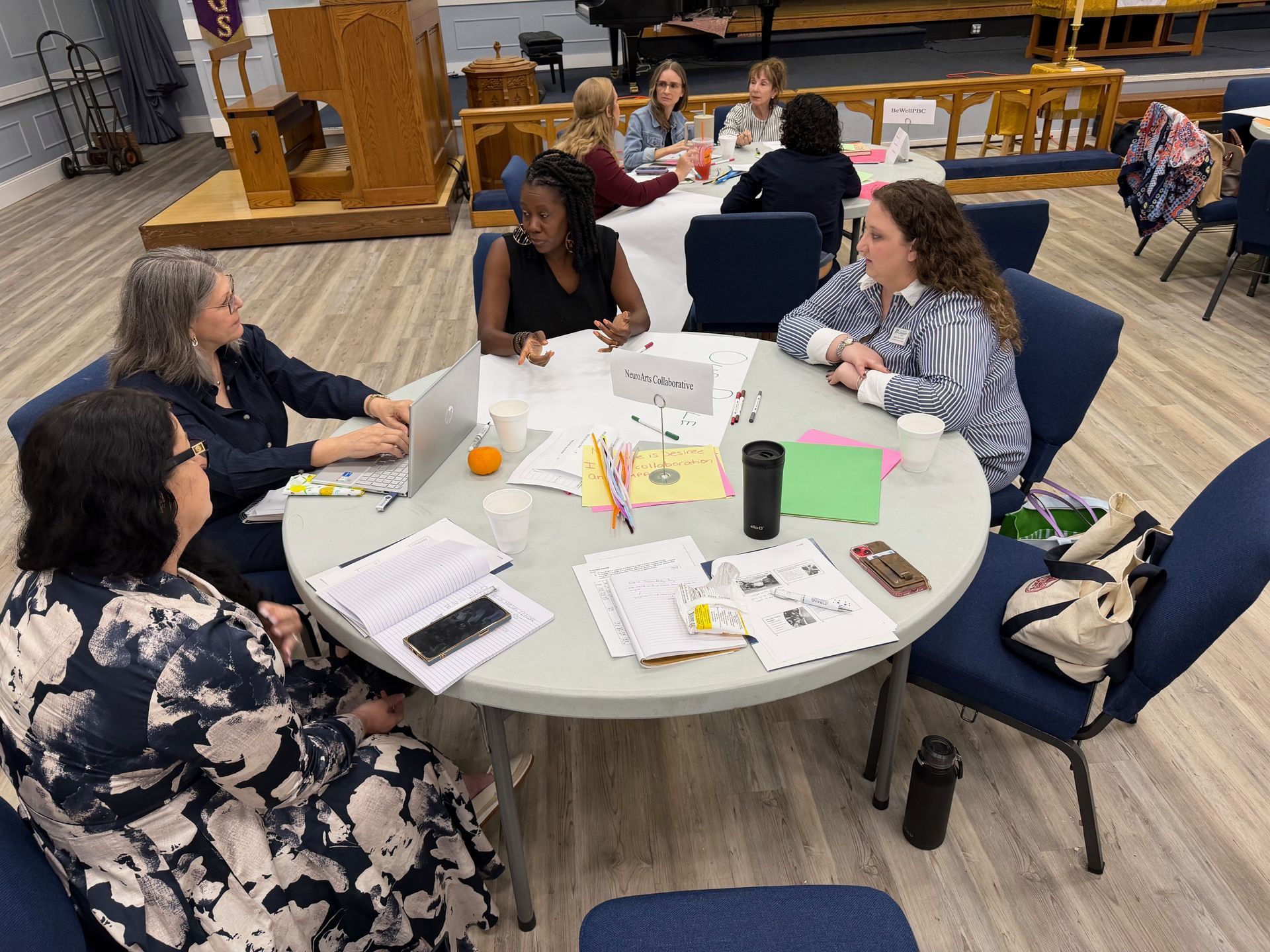
SenseMaker tool (remember, that dreaded technology) is designed for participants to share their experiences and their own insight on those experiences. There are no scaling questions or multiple choice. Instead, there are stories where people define their own themes. Don’t get me wrong, the first time I went “swimming” in the data (as Andy McAusland, Director of Grants and Evaluation at Palm Health Foundation says), I didn’t know how to make sense of it. And then something magical happens—patterns emerge. It doesn’t end there, because the patterns and stories are then brought back to the community to “make sense” of the themes, needs, and problems in the community. And what comes from these SenseMaking sessions then inspires change. Actual, real live, grassroots change.
Embracing the Concept of Failing
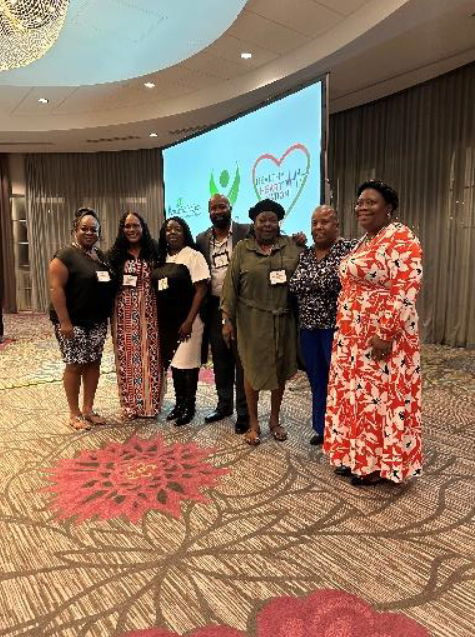
Every week for my fellowship during the spring and summer of 2022, I had the honor to witness (and note-take, and support) a group of change makers that had dubbed themselves Glades Life. I learned the Glades community (which includes Belle Glade, South Bay, Pahokee, and other surrounding areas) had many issues and community concerns that were distinct from the rest of Palm Beach County. By the time I joined the project, they had been engaged in SenseMaking for many months, adapting to the changing circumstances of COVID along the way.
The bulk of the Sensemaker stories/data had been collected, brought back to the community, and major themes had been identified. They were in the action stage with initiatives called “Safe to Fail” projects. I think it’s unfortunate that we are conditioned to recoil at the word “fail” instead of recognizing its value in progress. All change, all progress, all growth requires risk and failure. A “Safe to Fail” project is one that is worth trying, because in complexity we don’t assume we know the solutions to problems. We adjust as we go along. We add resources to projects that seem to be helping meet the community needs, and allow those that aren’t to fizzle out. Sometimes a community has concerns about an issue that requires many projects simultaneously.
Community Led Change Making
One example of a concern that was identified throughout the Glades communities was youth safety. Community members had been greatly impacted by shootings and loss of local young people, but also expressed more general concerns about the safety of children and teens in the area. The issue inspired two very different Safe to Fail projects addressing different aspects of youth safety. One, a program called “Dads on Duty” was initiated to connect at-risk youth with mentors, and eventually other opportunities.
Another project focused on addressing a specific stretch of road that was both a school walking route as well as site of several bus stops. Community members who had been engaged with the SenseMaker project were invited to participate in a walk audit, which identified numerous safety issues. Some issues (like trees blocking school zone signs) were addressed by the city immediately. While others, like broken sidewalks and infrastructure issues required more perseverance on the part of Glades Life. I know they will persist. Because the thing about grassroots change that is different than hierarchical top-down change is intimacy. They love their community. Knowing these change makers has allowed me to love their community, too!
Passing the Torch
These are only two examples of the seven projects I had the privilege to support during my time as the Palm Health Foundation/FAU fellow. I was able to pass the torch to this year’s fellow and offer whatever insight I could to boost her learning curve. As I reflect on the experience, what I value most is not just that I witnessed and supported community change, but that I was changed. Grateful is not a big enough word for being invested in and given this opportunity to learn, grow, and be equipped to be a change agent in an ever-changing world.
I don’t know that I’d say I’m fluent, but I do feel as though I can comfortably travel in the countryside of complexity. It may be a landscape without paved roads where trees and brambles redirect our paths, yet if the last three years has taught us anything I believe it is that the path forward requires adaptability. And that we must embrace trying (and sometimes failing) at something new.