"Night at the Museum" Event Illuminates Importance of Mental Health First Aid
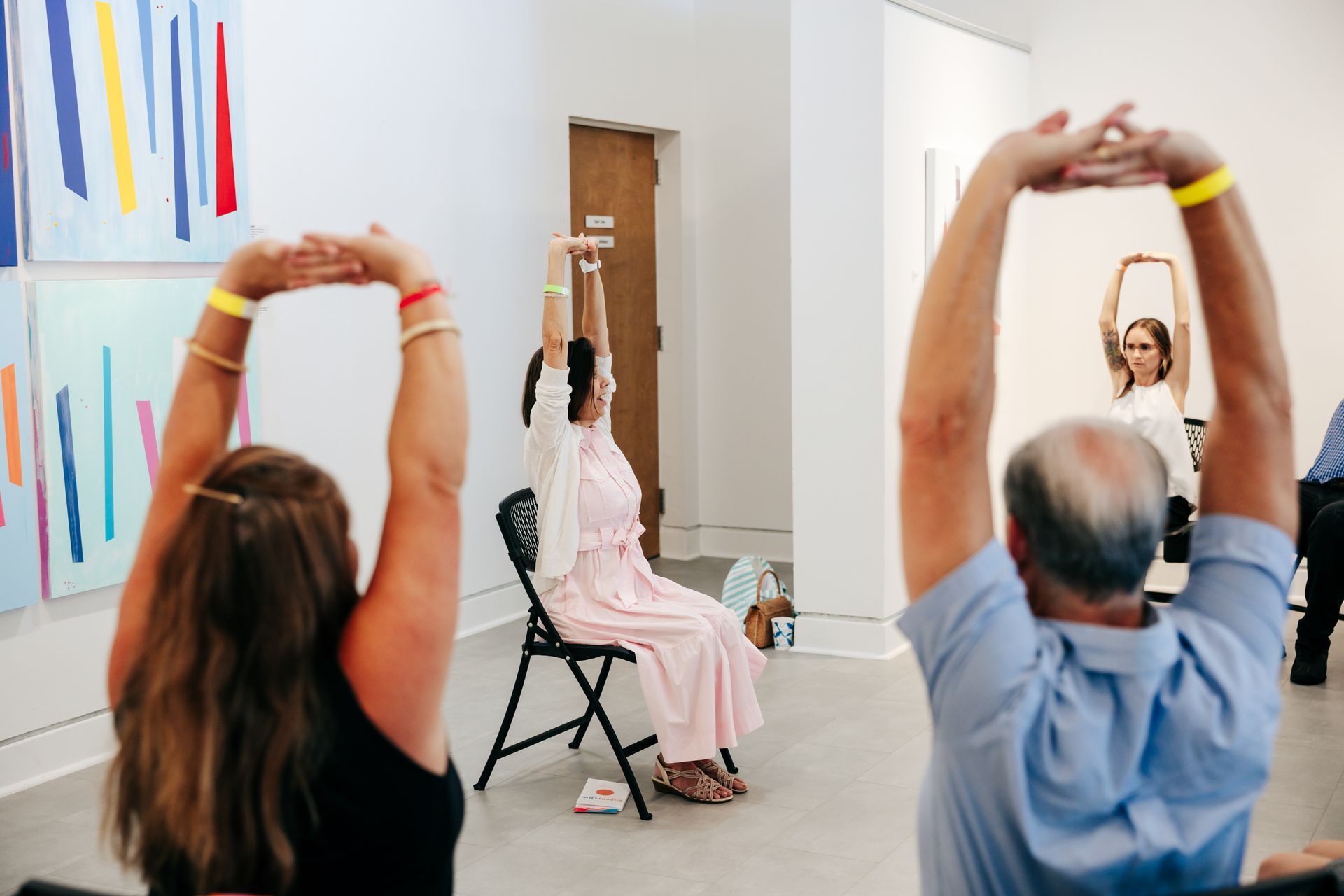
On November 6, 2019 -- Palm Health Foundation together with Alpert Jewish Family Service hosted “Night at the Museum” for 130 guests at the Norton Museum of Art in West Palm Beach to put a spotlight on the need for Mental Health First Aid (MHFA) funding. MHFA is a nationally renowned, evidence-based training course that teaches participants how to identify, understand and respond to signs of mental health crises and substance use disorders. The evening’s inspiring speakers shared with guests the effectiveness of this grassroots program and their goal to make it as accessible as CPR training.
Dr. Alina Alonso, director of the Florida Department of Health in Palm Beach County and chair of Palm Health Foundation’s board of trustees, kicked off the evening by sharing with guests the purpose of the gathering: “We are changing the conversation around mental health.”
The foundation’s MHFA partnership with Alpert Jewish Family Service came together through Dr. Elaine Rotenberg, clinical director of Alpert Jewish Family Service, who commented, “We have very similar philosophies of how to hold hands as a community, on a real grass roots level, and make a huge difference.”
Palm Health Foundation was the first funder to support the creation of the Palm Beach County Mental Health First Aid Coalition, launched in 2015 by Dr. Rotenberg. In the five years since the coalition’s inception, it has grown to include 16 agencies, the School District of Palm Beach County, 87 nationally certified instructors and has trained more than 6,000 citizens. The success of the program has attracted the support of the Merrell Family Foundation and the Florida Blue Foundation and is included in Palm Beach County’s Community Health Improvement Plan.
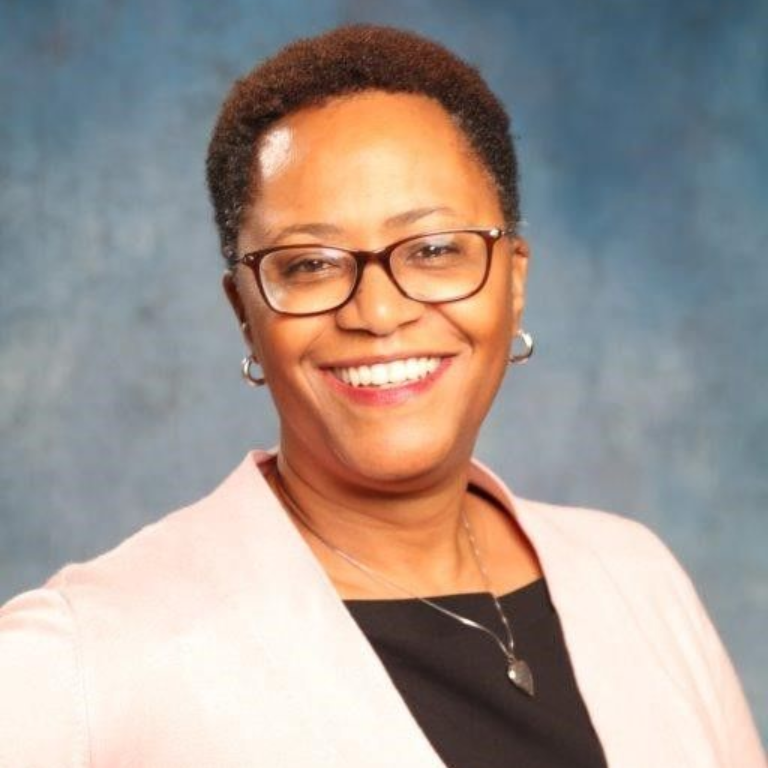
Both Palm Health Foundation and Alpert Jewish Family Service are committed to destigmatizing mental illness and increasing mental health literacy of all residents by offering MHFA training courses that reflect the county’s diversity and increase health equity. The evening’s keynote speaker, Freslaine St. Louis, shared her personal experience dealing with mental illness in her family. St. Louis is one of the county’s first Haitian Creole speaking MHFA trainers and leverages her position as a local youth minister to break through the resistance and fear around the term “mental health” in her church and community.
“While many other people and cultures approach mental health with fear and misunderstanding, the stakes were too high for my community to avoid the subject any longer,” shared St. Louis. “I used my Mental Health First Aid training to educate parents how to identify, understand and respond to signs of mental illnesses and substance use disorders in their children.”
St. Louis’s story paralleled comments made by Marc Hopin, CEO of Alpert Jewish Family Service, describing the agency’s mission “to serve the community and fulfill our obligation of TIKKUN OLAM, a Hebrew phrase meaning ‘repairing the world.’” Patrick McNamara, CEO and president of Palm Health Foundation later summed up the evening in a call for donations for the Mental Health First Aid Fund by stating, “I am confident that, working together, we can lead a movement to build a culture of better brain health in Palm Beach County. Together, we can transform how we address brain wellness and treat brain disorders.”
Event guests included: Bill Bone, Margie Betten and Christian Siegrist, Jill and Jess Merrell, Margaret Donnelly, Stacey and Michael A. Lampert, Ellie Hart, Zelda Mason, Philippe Jeck and Shauna Kranendonk, the Honorable Barbara Pariente and Phyllis and Jeffrey Penner.
To give to the Mental Health First Aid Fund, please visit www.palmhealthfoundation.org/mhfa-fund.
About Palm Health Foundation
Palm Health Foundation is Palm Beach County’s community foundation for health. With the support of donors and a focus on results, the foundation builds strong community partnerships, respects diverse opinions, advocates for its most vulnerable neighbors and inspires innovative solutions to lead change for better health now and for generations to come. The foundation supports health equity for Palm Beach County residents of all backgrounds, heritage, education, incomes and states of well-being. Palm Health Foundation has invested more than $80 million in Palm Beach County health since 2001. For more information about Palm Health Foundation, visit palmhealthfoundation.org or call (561) 833-6333.